Start with a grounded base palette, then layer wood tones, textiles and accents with consistency.
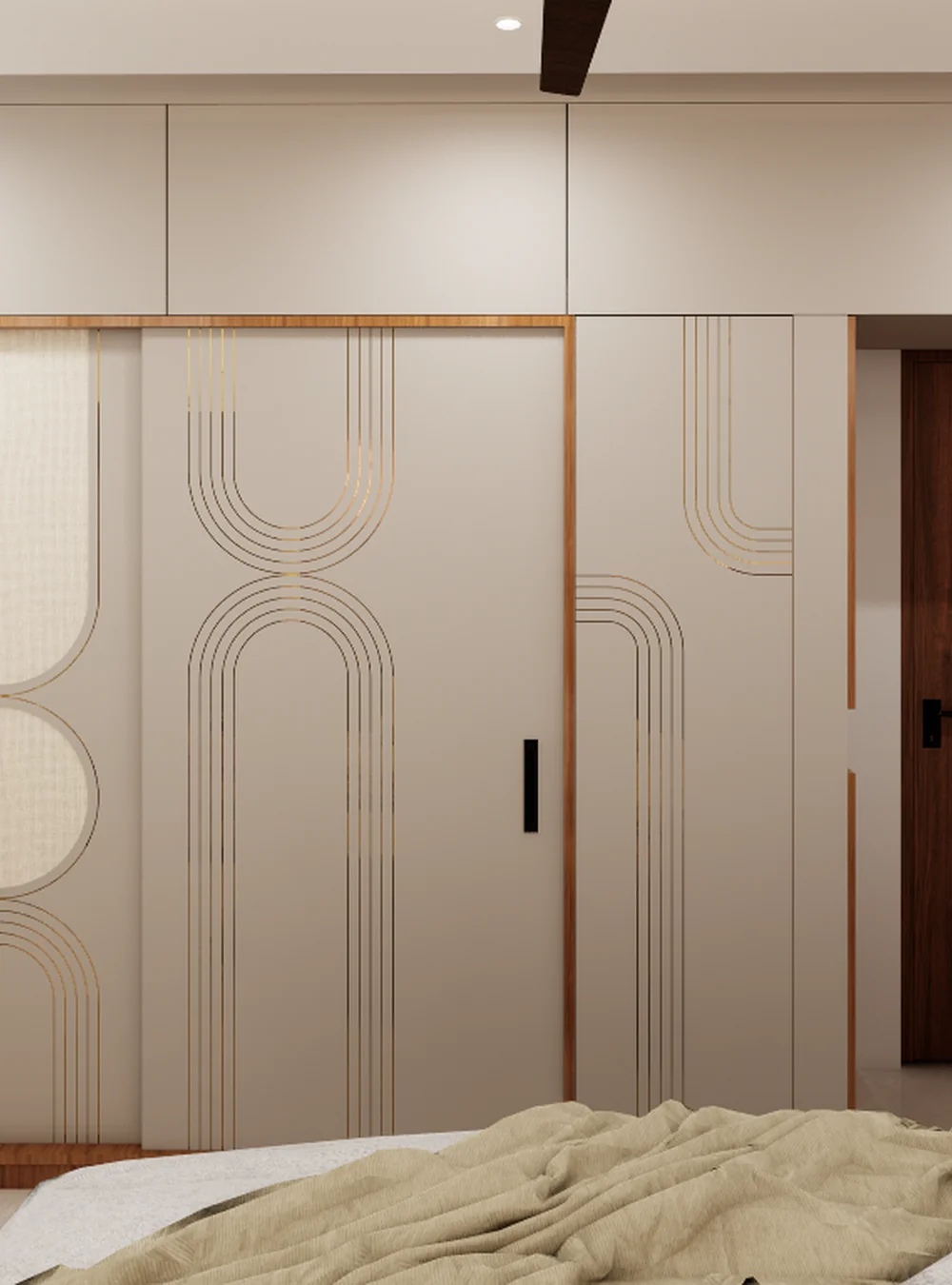
Choose a direction before individual colours
Think about the overall atmosphere you want the home to express: calm and understated, warm and layered, or more contrast-led. Reference images can help identify recurring tones, textures and levels of contrast before specific paint or material selections are made.
Use a base, supporting and accent palette
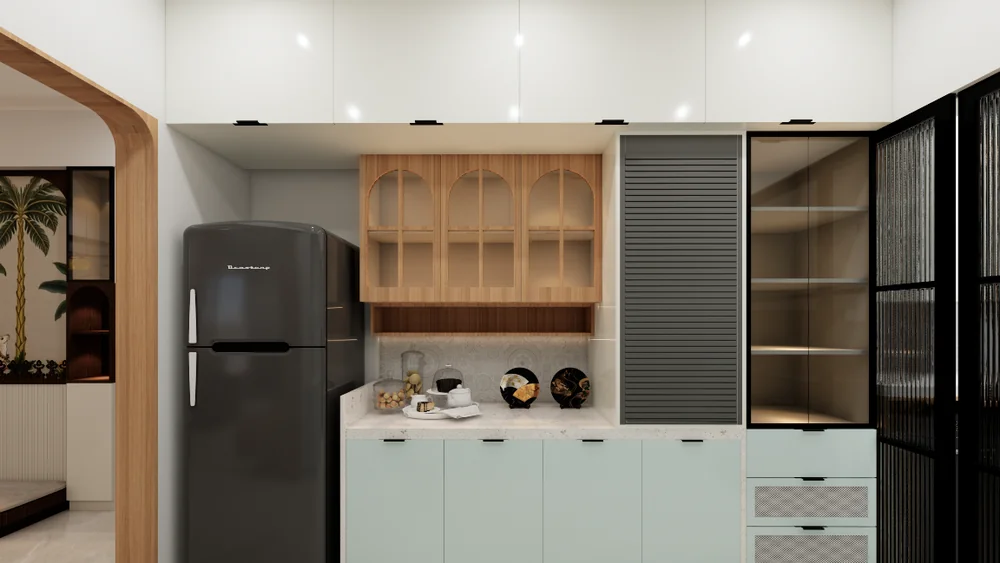
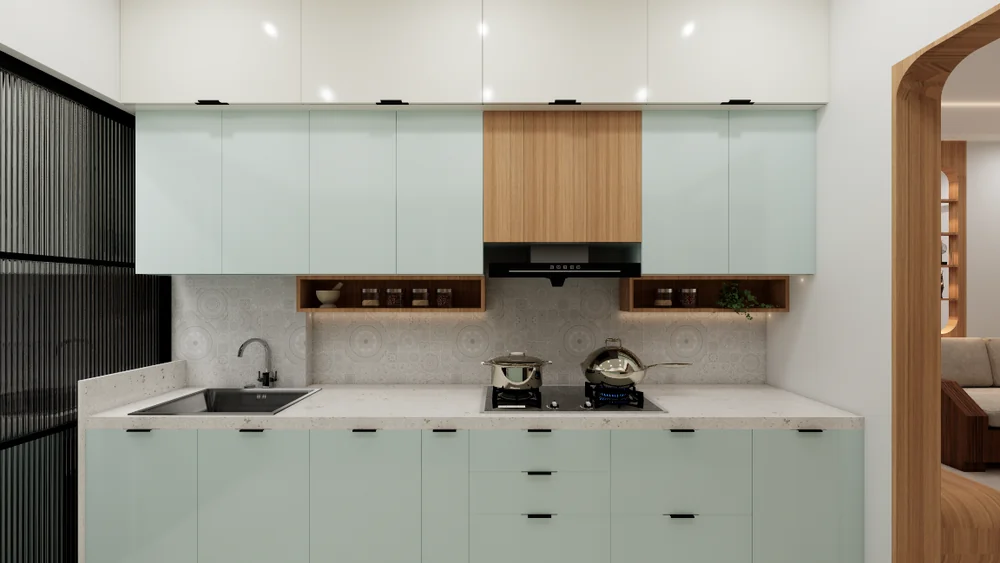
A practical palette often includes a base for large surfaces, supporting colours for cabinetry and furniture, and a smaller set of accents. This structure keeps the home coordinated while leaving room for variation between rooms.
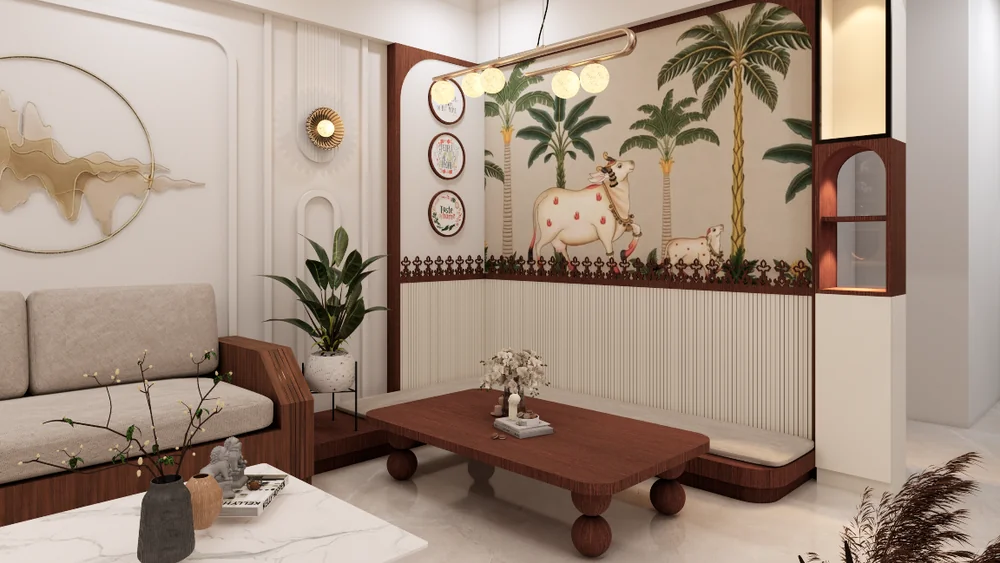
Coordinate wood tones thoughtfully
Wood finishes can differ in warmth, grain and visual weight. They do not all need to match, but they should relate. Compare samples side by side and consider nearby flooring, doors, furniture and cabinetry.
Bring in textiles and softer surfaces
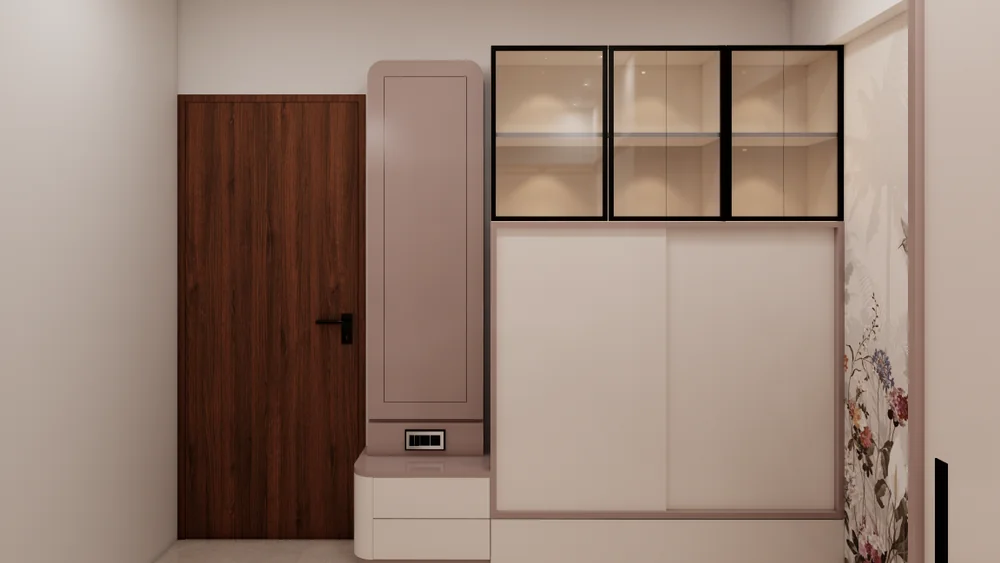
Curtains, rugs, upholstery and bedding are useful ways to add texture and adjust the balance of colour. These elements can soften harder surfaces and provide opportunities to introduce a measured accent.
Check the palette in real light
Review samples in the rooms where they will be used. Daylight direction, artificial lighting and surrounding finishes can all influence how a colour reads. Avoid finalising a palette from isolated swatches alone.
Repeat details for continuity
A repeated metal finish, accent colour or timber tone can create a subtle thread between spaces. Repetition helps the home feel connected, even when individual rooms have different functions.
Planning a Home Interior?
Explore Decorum Interior services for residential spaces, kitchens, bedrooms, living areas and thoughtful storage.
Explore Services